

How High Should a House Be Raised in Louisiana's Flood Zones?

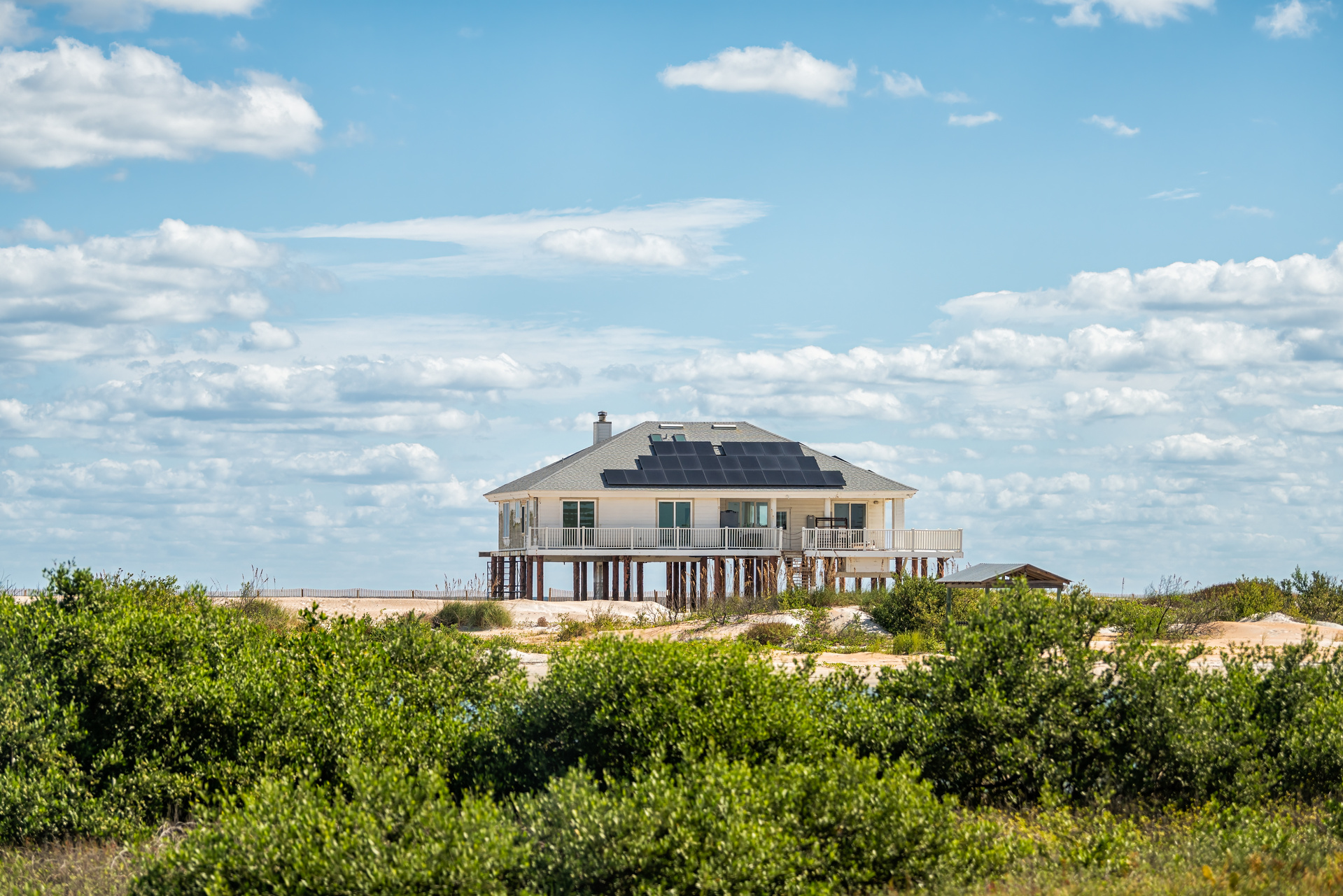
Determining house-raising height requires reviewing the applicable base flood elevation, existing structure elevations, and local building requirements”
METAIRIE, LA, UNITED STATES, October 30, 2026 /EINPresswire.com/ -- — Doug Castro
Determining how high a house should be raised in Louisiana requires evaluating more than the property's flood zone designation. Base flood elevation, local building regulations, additional elevation requirements, and the structural characteristics of the home all influence the height necessary for a residential elevation project.
Orleans Shoring, a house-raising and structural elevation company based in Metairie, Louisiana, is examining the factors that determine residential elevation heights in flood-prone communities throughout South Louisiana.
Flooding presents a recurring concern for properties located near rivers, lakes, coastal areas, drainage canals, and low-lying neighborhoods. Elevating an existing residence can reduce exposure to certain flood hazards, but appropriate elevation levels depend on regulatory requirements and property-specific conditions.
Understanding Base Flood Elevation
Base Flood Elevation, commonly abbreviated BFE, represents the calculated elevation that floodwater is expected to reach during a flood having a 1% annual chance of occurring or being exceeded.
The Federal Emergency Management Agency, or FEMA, identifies base flood elevations on applicable Flood Insurance Rate Maps and associated flood hazard data.
BFE is expressed relative to a specified vertical datum, rather than simply indicating a number of feet above the surrounding yard.
A property with a base flood elevation of eight feet does not necessarily require a house to be raised eight feet above ground level.
The actual elevation needed depends on existing ground elevation, the applicable regulatory standard, and the required elevation of the building's lowest floor or other designated reference point.
According to Doug Castro, Project Manager for Orleans Shoring in Metairie, establishing the correct elevation begins with understanding the property's flood information.
"Determining house-raising height requires reviewing the applicable base flood elevation, existing structure elevations, and local building requirements," Castro said. "A flood zone designation provides important information, but it does not establish the complete elevation requirement for every property."
Why Flood Zones Matter
FEMA flood maps identify areas according to different categories of flood risk.
Special Flood Hazard Areas include many properties designated within A and V flood zones.
Zone AE generally identifies areas where base flood elevations have been determined.
Zone A identifies certain high-risk flood areas where detailed base flood elevations may not be shown on the map.
Coastal V zones involve additional concerns associated with wave action and coastal flooding.
These classifications can affect foundation design, elevation requirements, and the treatment of enclosed areas beneath elevated buildings.
Properties outside mapped high-risk zones may still experience flooding from heavy rainfall, drainage problems, or other events.
Understanding Freeboard Requirements
Freeboard refers to additional elevation above the established base flood elevation.
Local jurisdictions may require a specified amount of freeboard as part of applicable floodplain management and building regulations.
For example, a property with a BFE of eight feet and an applicable two-foot freeboard requirement may require the relevant building elevation to reach ten feet relative to the same vertical datum.
This example illustrates the calculation rather than establishing a statewide requirement.
Freeboard standards can vary by parish, municipality, building classification, and applicable code.
Certain jurisdictions may also establish minimum elevation standards based on other flood-related criteria.
Castro emphasized that local requirements must be confirmed before establishing a final elevation target.
"Freeboard requirements can change the elevation needed for a house-raising project," Castro said. "Local ordinances, floodplain regulations, and the applicable building code must be reviewed together. The required height should be established before structural lifting plans are finalized."
Existing Elevation Certificates and Surveys
An elevation certificate or appropriate elevation survey can provide information about the existing height of a building relative to the applicable vertical datum.
These measurements help determine the difference between current building elevations and the required target.
Licensed surveyors may be involved in establishing accurate elevation information.
The calculation should distinguish between ground elevation, lowest-floor elevation, and other building reference points used by applicable regulations.
Confusing these measurements can result in an incorrect estimate of the necessary lifting height.
Structural Considerations During House Raising
Raising an existing house involves more than lifting the building to a predetermined elevation.
Foundation type, building materials, structural condition, floor framing, and load distribution influence the engineering and construction process.
Slab-on-grade homes, pier-supported residences, and other foundation configurations may require different lifting approaches.
The elevated foundation must also accommodate applicable flood loads, wind loads, and other structural requirements.
Utility connections, stairways, access points, and building systems may need modification following elevation.
Coastal flood zones can impose additional foundation and construction restrictions, including requirements involving open foundations and breakaway walls where applicable.
Flood Insurance and Elevation Decisions
Building elevation can influence flood insurance considerations, although premiums depend on multiple factors.
Under FEMA's National Flood Insurance Program pricing methodology, flood risk assessments incorporate property-specific information rather than relying exclusively on flood zone designation or a single elevation measurement.
Raising a building may affect its assessed flood risk, but a particular elevation increase does not guarantee a specific insurance premium reduction.
Property owners should review applicable insurance information alongside building and floodplain requirements.
Substantial Damage and Substantial Improvement
Additional elevation obligations may arise when an existing structure is substantially damaged or undergoes substantial improvement.
Under federal floodplain management rules, these determinations generally involve the cost of repairs or improvements relative to the building's market value, subject to applicable local requirements.
When relevant thresholds are reached, existing buildings in Special Flood Hazard Areas may be required to comply with current floodplain construction standards.
Local floodplain administrators determine how applicable requirements affect individual properties.
Determining the Appropriate Elevation
No single house-raising height applies to every Louisiana residence.
The appropriate target depends on flood mapping, local regulations, existing building elevations, structural conditions, and applicable construction standards.
"House elevation should be approached as a property-specific engineering and regulatory decision," Castro said. "Reviewing flood elevations, survey information, and local requirements helps establish the height necessary for the project and the structural work involved."
For residential properties throughout South Louisiana, establishing an accurate elevation target is an important step in planning flood-related structural improvements.
About Orleans Shoring
Orleans Shoring is a house-raising and structural elevation company based in Metairie, Louisiana. The company is associated with residential elevation, foundation-related construction, and structural projects involving properties throughout South Louisiana.
Morgan Thomas
Rhino Digital, LLC
+1 504-875-5036
Visit us on social media:
Facebook
Legal Disclaimer:
EIN Presswire provides this news content "as is" without warranty of any kind. We do not accept any responsibility or liability for the accuracy, content, images, videos, licenses, completeness, legality, or reliability of the information contained in this article. If you have any complaints or copyright issues related to this article, kindly contact the author above.
